Umidigi Note 100 vs Oukitel C17 Plus
A close call. Both use the Unisoc T615 (entry-level). The Note 100 starts with more RAM (8 GB against 6 GB).
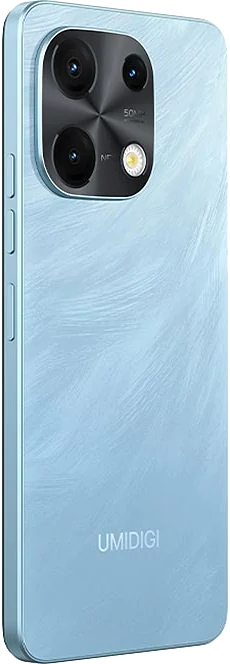
Note 100
Unisoc T615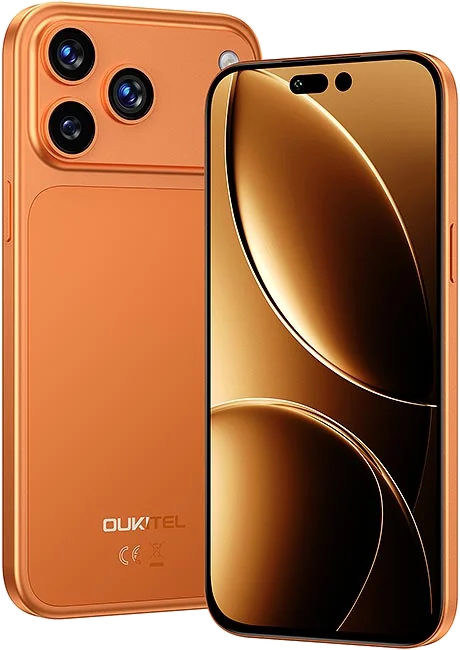
C17 Plus
Unisoc T615What matters to you?
Tap what you use your phone for. The overall pick then counts only those.
A close call
Neither phone is clearly better for what you chose. The cards show the trade-offs.
Pick this for…
Who wins for each way you use a phone. Tap a card for the evidence.
Social media
Chats, calls, lives and feeds
Same in practiceEither oneEstimateOfficialWhy? See the evidenceHide the evidence
Social media
Chats, calls, lives and feeds
- Everyday speed: both use the Unisoc T615, about 2 of 5 (estimate).
- Memory: 8 GB against 6 GB, so more apps stay open when you switch between chats and feeds.
- Front camera video for calls and lives: not listed against 720p@30fps.
Gaming
Light games to heavy 3D, online and offline
Same in practiceEither oneEstimateOfficialWhy? See the evidenceHide the evidence
Gaming
Light games to heavy 3D, online and offline
- Gaming power: both use the Unisoc T615, about 1.5 of 5 (estimate).
- Graphics: the same Mali-G57 MP1 (12 nm) in both.
- Screen: 120 Hz against 120 Hz.
- Light games run well on both. The gap shows in heavy 3D games. How long a phone holds its speed when hot needs testing, so it is not judged.
Camera and content creation
Photos, video recording and editing
Not enough infoToo little listed to call itOfficialEstimateWhy? See the evidenceHide the evidence
Camera and content creation
Photos, video recording and editing
- Video recording: not listed against 1080p@30fps.
- Front camera video: not listed against 720p@30fps.
- Editing and export: both use the Unisoc T615, about 1.5 of 5 (estimate). Storage: not listed for either phone.
- Photo and video quality need side-by-side testing, so we do not judge them from megapixels.
Work, study and AI
Learning, research, writing and AI assistants
Same in practiceEither oneEstimateOfficialWhy? See the evidenceHide the evidence
Work, study and AI
Learning, research, writing and AI assistants
- Heavy work: both use the Unisoc T615, about 1.5 of 5 (estimate).
- Memory: 8 GB against 6 GB. On-phone AI features need plenty of memory; most AI assistants run online and work on any phone.
- Screen: 6.8″ against 6.9″ IPS LCD.
Movies, music and streaming
YouTube, Netflix, sport, music and podcasts
Same in practiceEither oneOfficialEstimateWhy? See the evidenceHide the evidence
Movies, music and streaming
YouTube, Netflix, sport, music and podcasts
- Screen: 6.8″ against 6.9″ IPS LCD.
- AV1 video decoding (smoother YouTube and Netflix, less battery): not listed against not listed.
- Sound: speakers not listed, against speakers not listed.
Everyday life
Maps, ride-hailing, payments and banking
Same in practiceEither oneOfficialWhy? See the evidenceHide the evidence
Everyday life
Maps, ride-hailing, payments and banking
- Tap to pay (NFC): yes against yes.
- Location: GPS bands not listed against single-band GPS. Dual-band GPS stays accurate between tall buildings.
- GPS bands aren’t listed for both phones, so we compared tap to pay only.
Phone basics
What every use depends on, side by side.
Battery life
Efficiency: Unisoc T615 about 1 of 5 (estimate), Unisoc T615 about 1 of 5 (estimate)
Storage
UFS opens apps and files far faster than eMMC
Speed
Everyday speed: about 2 of 5 (estimate) against about 2 of 5 (estimate)
Screen
Bigger is not better; pick the size you like
Toughness
IP68 survives dust and a dunk in water
Years of updates
From the maker’s written update promise
Side by side
| Spec | Note 100 | C17 Plus |
|---|---|---|
| Size | 6.8″ | 6.9″ |
| Type | — | IPS LCD |
| Resolution | 1600 × 720 | 720 × 1560 |
| Refresh rate | 120 Hz | 120 Hz |
| Peak brightness | — | 500 nits |
| Spec | Note 100 | C17 Plus |
|---|---|---|
| Chipset | Unisoc T615 | Unisoc T615 |
| RAM | 8 GB | 6 GB / 8 GB / 12 GB / 16 GB / 24 GB |
| Storage | 256 GB | 64 GB / 128 GB / 256 GB / 512 GB |
| Storage type | — | — |
| Spec | Note 100 | C17 Plus |
|---|---|---|
| Main camera | 50 MP | 64 MP |
| Zoom | None | None |
| Video recording | — | 1080p@30fps |
| Front camera | 16 MP | 8 MP |
| Front video | — | 720p@30fps |
| Spec | Note 100 | C17 Plus |
|---|---|---|
| Capacity | 5000 mAh | 5000 mAh |
| Wired charging | 20 W | 18 W |
| Wireless charging | — | — |
| Spec | Note 100 | C17 Plus |
|---|---|---|
| Stereo speakers | — | — |
| Headphone jack | — | — |
| NFC (tap to pay) | Yes | Yes |
| Dual-band GPS | — | No |
| 5G | No | No |
| eSIM | — | No |
| Spec | Note 100 | C17 Plus |
|---|---|---|
| Weight | 190 g | 205 g |
| Thickness | 7.7 mm | 8.8 mm |
| Water resistance | — | — |
| Spec | Note 100 | C17 Plus |
|---|---|---|
| At launch | Android 14 | Android 16 |
| OS upgrades | Not stated | Not stated |
| Security updates | Not stated | Not stated |
Quick answers
- Is the Note 100 or the C17 Plus better for social media?
- For social media, there’s no real difference between them. Everyday speed: both use the Unisoc T615, about 2 of 5 (estimate).
- Is the Note 100 or the C17 Plus better for gaming?
- For gaming, there’s no real difference between them. Gaming power: both use the Unisoc T615, about 1.5 of 5 (estimate).
- Is the Note 100 or the C17 Plus better for camera and content creation?
- Too little is listed to call it for camera and content creation yet. Video recording: not listed against 1080p@30fps.
- Is the Note 100 or the C17 Plus better for work, study and ai?
- For work, study and ai, there’s no real difference between them. Heavy work: both use the Unisoc T615, about 1.5 of 5 (estimate).
- Is the Note 100 or the C17 Plus better for movies, music and streaming?
- For movies, music and streaming, there’s no real difference between them. Screen: 6.8″ against 6.9″ IPS LCD.
- Is the Note 100 or the C17 Plus better for everyday life?
- For everyday life, there’s no real difference between them. Tap to pay (NFC): yes against yes.
What we don’t judge on
Security patch level, charging watts, megapixels, benchmark scores and guessed values.
- Security patch level and other software settings change with every update, so one reading can’t judge a phone. We use the maker’s written update promise.
- Charging watts, megapixels, screen size and weight are shown, never scored as better: faster charging doesn’t make a battery last longer, and more megapixels don’t make better photos.
- Chip estimates (1 to 5) come from published design facts: core design and year, graphics, manufacturing and video features. Photo quality and how long a phone holds its speed when hot need testing, so they aren’t judged.
- Values with no source show “not published” and stay out of the verdict.
Umidigi Note 100 specsOukitel C17 Plus specsCompare with another phone