Skip to content Skip to content


Last Updated: March 21, 2026
Having trouble with your Infinix Note 40 X6853? This guide will help you fix your phone with the official Infinix Note 40 X6853 firmware. We’ve gathered the latest USB Driver, Flash Tool, and the Infinix Note 40 X6853 flash file to get your device back in top shape.
Infinix Note 40 X6853 Firmware (Flash File) – Drivers, Tools & Guide
We’ve got the original firmware for your Infinix Note 40 X6853 smartphone right here, along with the SP Flash Tool and MediaTek USB drivers you’ll need for flashing. Everything is packed neatly into ZIP files, so just extract them using WinRAR or 7-Zip on your computer. Make sure your extracted firmware package includes that crucial scatter file – you won’t get far without it.
Before you dive into flashing your Infinix Note 40 X6853, it’s a good idea to check that the downloaded ZIP files aren’t corrupted and that they’re the right ones for your specific device. You’ll need a Windows computer and a good USB cable to connect your phone. It’s also wise to scan your PC for any malware beforehand. We’ve included a clear “How to Flash” guide to make the whole process smoother.
Updating to the official stock firmware on your Infinix device can clear up all sorts of software headaches. Whether it’s a stubborn FRP lock, app glitches, a sluggish phone, a forgotten pattern, a device stuck on the Infinix logo, Wi-Fi or Bluetooth connection issues, rapid battery drain, or even a soft brick, this firmware update is often the fix.
FRP Bypass Tools for Your Infinix Note 40 X6853
Sometimes, after flashing or a factory reset, you might run into that annoying Google account lock, also known as FRP. If that happens, our free Android apps launcher tools can help you regain access to your phone. watch the video below and use our tool after opening chrome browser.
Why Do We Need Infinix Note 40 X6853 Firmware?
The Infinix Note 40 X6853 firmware is essential because it’s the key to improving your phone’s performance and resolving common problems. It can:
- Unlock your device if it’s been locked.
- Update your phone to the latest Android system version.
- Fix annoying issues like startup loops, lagging, and freezing.
- Resolve problems with OTA updates and battery drain.
- Restore your phone to its original software (stock ROM), which can help keep your warranty intact.
- Help if your phone is only booting into recovery mode.
A simple firmware update can really make your device run better and more reliably. You can learn more about stock ROMs and why they’re important here.
Choosing the Right Firmware Version
Before you start flashing, make sure you pick the correct firmware by following these steps:
- Identify Your Device Model: First, go to “About Phone” on your Infinix Note 40 X6853 and confirm that the model number is indeed Infinix Note 40 X6853.
- Verify the Build Number: Look for specific identifiers like “X6853” within your device’s build details.
- Confirm the Chipset: According to the official specs, the Infinix Note 40 X6853 runs on a Mediatek Helio G99 Ultimate CPU. This Octa-core processor features 2×2.2 GHz Cortex-A76 cores and 6×2.0 GHz Cortex-A55 cores, paired with a Mali-G57 MC2 GPU.
- Match the Firmware Version: It’s really important to ensure the firmware version and regional details match your device exactly to avoid any compatibility problems.
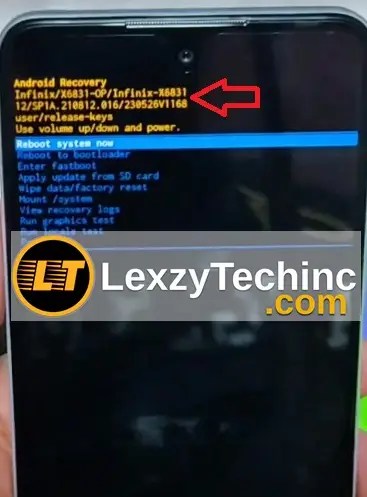
- If you’re not completely sure about your chipset or the firmware version, you can restart your device into recovery mode. This is often where you can find more detailed device information.

This extra check helps you choose the right firmware and version, reducing any risks during the flashing process.
Firmware Details for Infinix Note 40 X6853
Here’s a quick rundown of the official firmware details:
| Firmware Information | Details |
|---|---|
| Device Model | Infinix Note 40 X6853 |
| Firmware Version | V1394, V1775 |
| File Size | 6.7 GB |
| Android Version | Android 14, XOS 14 |
| Platform | Mediatek Helio G99 Ultimate CPU Octa-core (2×2.2 GHz Cortex-A76 & 6×2.0 GHz Cortex-A55) GPU Mali-G57 MC2 |
| Release Date | Released 2024, March 19 |
| Region | Global, Africa and Asia |
| File Type | ZIP (Includes Scatter File [MT6xxx_Android_scatter.txt], preloader.bin – Preloader/initial bootloader, boot.img, system.img, recovery.img, lk.bin, logo.bin, nvram.img – NVRAM data (IMEI, WiFi/BT MAC), proinfo.img cache.img, userdata.img, MBR/EBR files and more) |
Download Infinix Note 40 X6853 Firmware
You can download the official stock firmware for your Infinix Note 40 X6853 using the links provided below:
| Software Details | Download Link | Members Link |
|---|---|---|
| File Name: Infinix_Note_40_X6853_MT6789_OP_V1394_240205_MXML.zip Size: 6.7 GB | Download Link | Download Link2 |
| File Name: X6853-H895QSUV-U-OP-240318V1775 Factory Signed Firmware.zip Size: 6.7 GB | Download Link | Download Link2 |
Just a reminder, make sure the firmware version you choose is fully compatible with your specific device model and regional settings.
Prerequisites
Before you get started with the flashing process, make sure you have these things ready:
- Backup IMEI Numbers: It’s super important to write down and save your Infinix Note 40 X6853’s IMEI numbers before you flash anything.
- Remove Google Accounts: Log out of all Google accounts on your phone. This helps prevent FRP lock issues after flashing.
- Backup Data: Don’t forget to back up all your important data – this includes accounts, music, videos, and photos. Flashing will wipe everything on your device.
- A Fully Charged Device: Ensure your phone has at least 50% battery power.
- USB Cable & PC: You’ll need a reliable USB cable and a computer with working USB ports.
- Necessary Drivers: Download and install these:
- Data Backup: Always back up your important data. This is crucial to prevent any loss during the flashing process.
How to Install Firmware on Infinix Note 40 X6853
You’ll be flashing using the SP Flash Tool, along with the secure boot Download Agent (for SLA/DAA devices). If you can’t find the Secure Boot Download Agent (DA) file for this model, you might want to try flashing the firmware using MTK Client instead. Here are the step-by-step instructions for using the MediaTek (MTK) SP Flash Tool:
- Download and Extract:
- First, download the correct firmware package for your device.
- Next, extract the ZIP file into a dedicated folder on your computer.
- Install the Required Drivers:
- Make sure both the VCOM Drivers and Infinix USB Drivers are installed on your PC. You can find links to them in the Prerequisites section.
- Launch the SP Flash Tool on your computer. If you don’t have it yet, you can download the latest version for Windows or Linux. We also have a complete step-by-step guide for using the SP Flash Tool if you need more details.
- Load the Scatter File:
- Click on the “Scatter-loading” button. Then, navigate to the folder where you extracted the firmware and select the “scatter.txt” file.
- Connect Your Device:
- Turn off your phone completely.
- Connect your device to your PC using the USB cable. The SP Flash Tool should recognize your device automatically.
- Start Flashing:
- Click the “Download” button to begin the flashing process.
- Please do not disconnect your device until the process is fully completed.
- Wait and Reboot:
- Once the flashing is finished, disconnect your device from the PC.
- Now, turn on your device. It should boot up into the new firmware.
Missing IMEI or Corrupt Baseband After Flashing?
If you notice a missing IMEI or a corrupt baseband after you’ve flashed the firmware, don’t worry. Just follow these steps:
- Check Drivers: Double-check that you have the Mediatek CDC Driver and MediaTek (MTK) drivers installed correctly.
- Use an IMEI Repair Tool: Tools like SN Write Tool or Maui Meta for MediaTek can help restore your original IMEI. You can find more information on how to use these tools online.
- Run the Repair Tool:
- Connect your device to your computer.
- Enter your original IMEI numbers for both SIM slots.
- Click “Start” to begin the repair process.
- Restart Your Device: Once the repair is complete, reboot your phone and check your IMEI by dialing *#06#.
Video Guide: How to use Maui META to repair IMEI
Credits: https://www.youtube.com/@mhgsmclinic
Common Issues and Solutions
- Device Not Recognized by PC:
- Make sure all the necessary drivers are installed correctly.
- Try using a different USB cable or a different USB port on your computer.
- Boot Loop After Flashing:
- If your device keeps restarting into a boot loop, try booting into recovery mode and performing a factory reset.
- Flashing Errors:
- Carefully check that you’ve selected the correct scatter file and that the firmware version matches your device model precisely.
Frequently Asked Questions (FAQs)
Q1: Will flashing the firmware erase my data?
A: Yes, flashing the stock firmware will reset your device to its factory settings. Be sure to back up all your important data beforehand.
Q2: Is this firmware compatible with other Infinix models?
A: No, this firmware is exclusively for the Infinix Note 40 X6853. Using it on any other model could cause serious problems.
Q3: Can I downgrade my firmware version?
A: Downgrading your firmware is generally not recommended. It can lead to security vulnerabilities and compatibility issues.
Q4: What should I do if I encounter an FRP lock after flashing?
A: If you run into any Google account lock issues after flashing, our free Android apps launcher tools can help you resolve them quickly.
Q5: Are custom ROM options available for the Infinix Note 40 X6853?
A: This guide focuses strictly on the official stock firmware. For custom ROMs, you should check out our Custom ROMs page, or explore trusted tech forums like XDA Developers, or sites like Beebom.
Conclusion
By carefully following this guide, you can confidently flash the official stock firmware onto your Infinix Note 40 X6853. This will help restore its optimal performance, stability, and security. If you run into any snags or have more questions about flashing the Infinix Note 40 X6853 firmware, feel free to leave a comment below or reach out to our support team.
Keep your device updated and stay informed about the latest tech tips by subscribing to our newsletter or following us on social media.
Disclaimer: Please remember that flashing stock firmware is done at your own risk. Make sure to follow the instructions precisely to avoid any potential damage to your device.